

Companionship now comes in many forms: volunteer visits, paid senior companions, activity groups, online conversation and commercial date services. Their growing visibility reflects a real need. But the phrase “booming worldwide” needs a caveat: there is no single global measure showing how quickly the paid companionship market is growing. Loneliness is measured unevenly, and it is not the same thing as demand for a service.

Loneliness is not only an older person’s problem
The World Health Organization’s 2025 Commission on Social Connection estimated that about one in six people worldwide experienced loneliness between 2014 and 2023. Its report found especially high rates among adolescents and young adults, challenging the familiar picture of loneliness as something that begins mainly in old age. Social isolation is different: it describes having few relationships or interactions, while loneliness is the painful feeling that one’s actual connections fall short of what one wants.
That distinction matters. Someone can live alone and feel content, or have a busy calendar and still feel unseen. A service that merely adds appointments may not address the missing ingredient, whether that is intimacy, trust, shared interests or a sense of belonging.
What has changed is the shape of connection
The OECD’s 2025 review of social connections across member countries found that people were meeting friends and family face-to-face less often than in the past, while remote contact increased. It also stressed that connection depends on more than personal effort: transport, money, accessible public places and the design of neighborhoods can all make it easier or harder to meet.
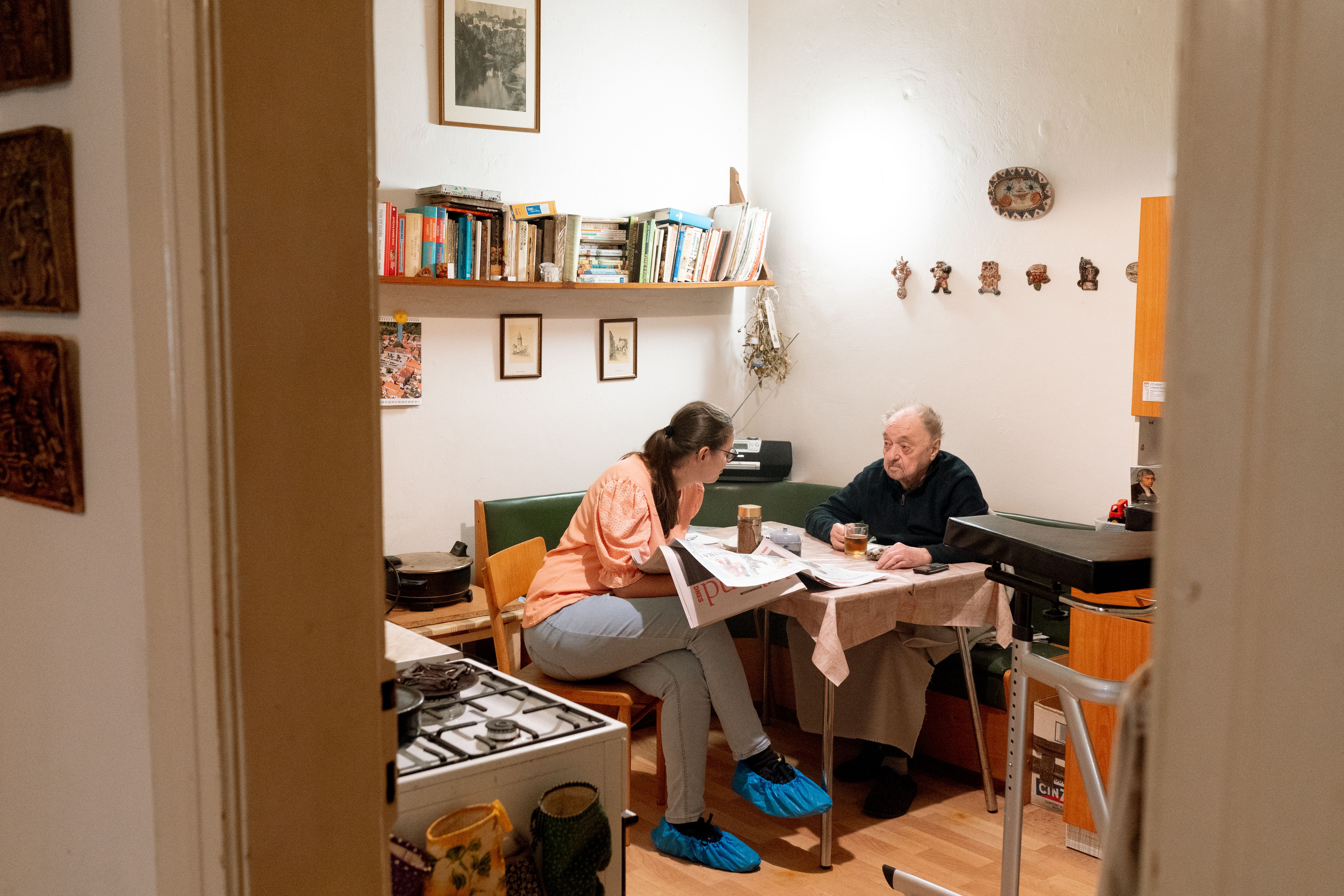
That helps explain why “companionship services” are not one industry. A volunteer befriender, a paid home visitor and a group walking club solve different problems. One may offer a weekly conversation; another may help someone get out of the house; a third may create repeated contact around a shared interest. For an older adult whose mobility has narrowed their world, a visit over coffee can be a practical lifeline. For a young adult, the better fit might be a low-pressure group built around music, sport or gaming.

Paid company has a place, but it is not a cure
Commercial companionship covers a wide range, from attending a dinner or event to a more intimate date. For example, Louisa Escort presents itself as a Munich-based escort agency offering a “Girlfriend Experience.” That is a paid adult service, not elder care or a clinical loneliness intervention, and the distinction should stay plain. A booking may meet a specific need for company or an occasion; it should not be sold as a remedy for chronic isolation.
My read is that paid companionship is most useful when it is chosen freely, clearly bounded and treated as one option among many. Regular contact can offer structure and a welcome human presence, but a transaction is not automatically a reciprocal friendship. Good providers should be transparent about what they do, protect privacy, and avoid promising health outcomes.

The stronger answer is both personal and public
There is a serious counterargument to the service-led approach: if isolation is shaped by inaccessible transport, unaffordable activities or disappearing community spaces, selling individual visits cannot fix the underlying conditions. The OECD points to libraries, parks, community organizations and welcoming local businesses as “social infrastructure” where repeated, informal contact can grow. I think that is the right long-term ambition. Services can bridge a lonely stretch; communities should make connection easier without requiring a purchase.
So the boom is real in visibility and variety, while the global business trend is harder to verify. The useful question is not simply how many companionship services exist, but whether they help people build dependable connection beyond the appointment. That is where companionship stops being a product alone and starts becoming part of a more connected life.