On September 23, 2026, during New York Climate Week, Leonardo DiCaprio shared a video about a Canadian company’s plan to build what would be Brazil’s largest open-pit gold mine. He did not announce a donation or a new film. He asked his followers to look at the Volta Grande do Xingu, a bend in the river already battered by the Belo Monte hydroelectric dam, and to listen to the Indigenous communities who say the mine would finish what Belo Monte began.
Three weeks earlier he had been in Brazil on a six-day tour of the Amazon, the Pantanal, and the Cerrado with Re:wild, the conservation group he helped found. He met Chief Raoni Metuktire, the Kayapó leader he has called a friend for two decades, and sat down with President Lula da Silva and three cabinet ministers. He also revisited the Yawalapiti community in the Upper Xingu, a place he first saw in 2004.

That pairing – the quiet field visit and the loud post – is celebrity environmentalism in its purest form. Hollywood cannot stop a mine or sign a demarcation decree. What it can do is decide, for a few days at a time, which of Brazil’s dozen overlapping environmental fights the rest of the world is forced to watch.
What a spotlight can and cannot do
The evidence here is more interesting than either the fans or the cynics admit. A 2025 review from the Yale Program on Climate Change Communication, synthesizing 50 studies on the effects of climate activism, found strong evidence that campaigns and protests shift public opinion and media coverage, and only moderate evidence that they move voting behavior or policymaker attention. Evidence that activism directly produces policy change, or cleaner rivers, was thinner still.
The nuance is worth sitting with. Peaceful protest tended to raise support for a cause; violent protest did not. The same action could help or hurt depending on how the media framed it. Attention, in other words, is the reliable product. Everything downstream of attention is contested.
That is precisely the deal on offer with a movie star. A DiCaprio post is an attention machine, and an unusually efficient one. It cannot compel Brazil’s Supreme Court to rule a certain way, force a mining company to walk away from a license, or make the Ministry of Indigenous Peoples demarcate a territory it has not. It can make those decisions expensive to ignore.
My read is that this is underrated by people who dismiss celebrity activism as pure performance, and badly overrated by people who treat it as a substitute for organizing. It is a megaphone, not a lever.
The numbers behind the noise
If attention is the product, it is fair to ask what it has illuminated. Brazil’s official monitoring tells a good story with one loud exception.
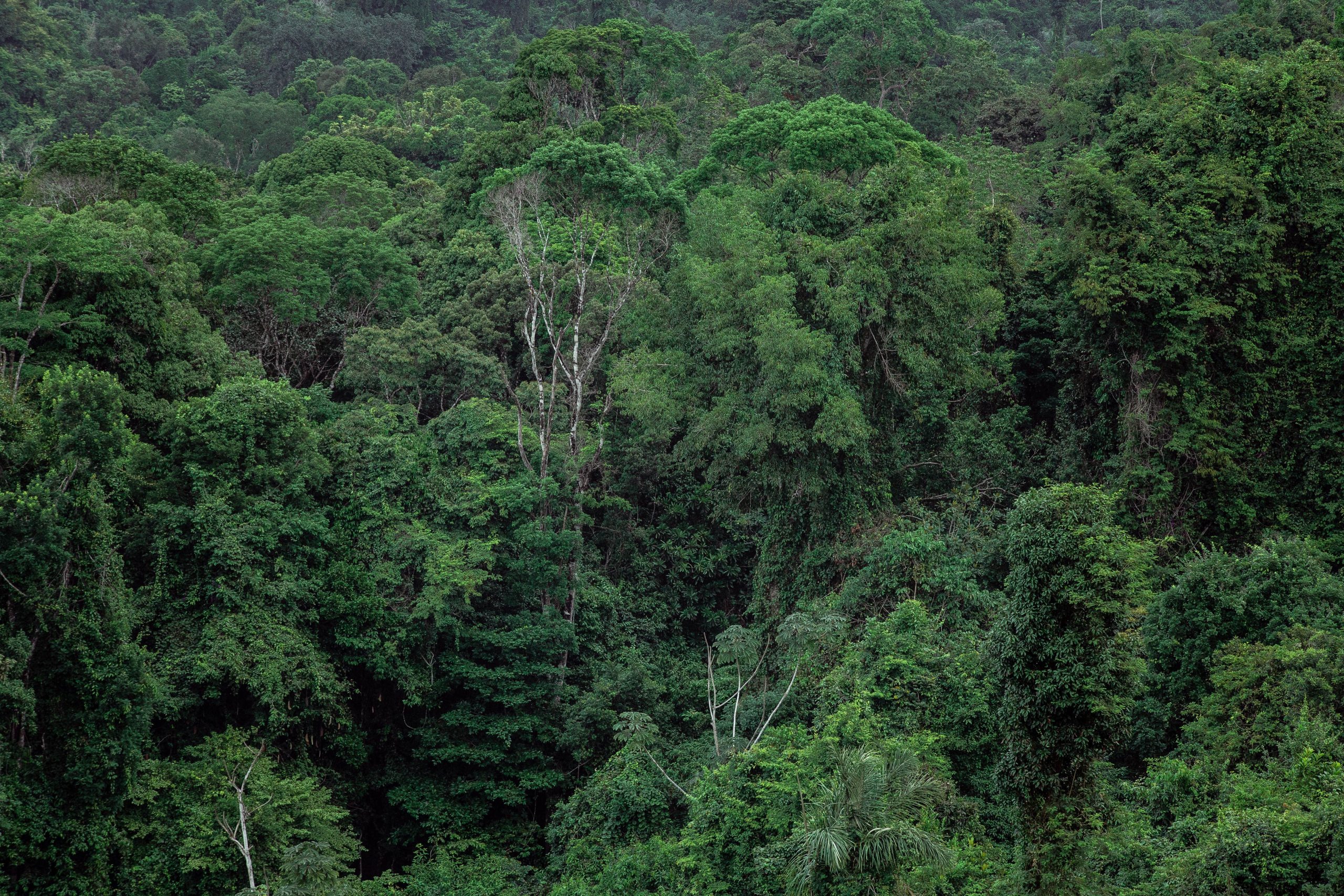
According to the National Institute for Space Research (INPE), deforestation across the nine states of the Legal Amazon fell 12.07% in 2025, to 5,731 square kilometers – the lowest annual figure in 11 years and down from 6,518 km² in 2024. Eight of the nine states cut deforestation. Mato Grosso was the only one that moved the other way, up 26.73%. Pará remains the single largest contributor, at roughly 36% of the total.
| State | 2024 (km²) | 2025 (km²) | Change |
|---|---|---|---|
| Pará | 2,395 | 2,064 | −13.82% |
| Mato Grosso | 1,257 | 1,593 | +26.73% |
| Amazonas | 1,223 | 979 | −19.95% |
| Roraima | 468 | 285 | −39.10% |
| Legal Amazon total | 6,518 | 5,731 | −12.07% |
Source: INPE PRODES consolidated rate, published 18 August 2026, covering 1 August 2024 to 31 July 2025.
Stare at the Mato Grosso row for a moment. The state is Brazil’s agricultural engine, the center of the cattle and soy economy, and the front line of Cerrado conversion. Across the whole Cerrado, deforestation fell 11.49% in 2025 to about 7,235 km², a five-year low. That is real progress – and it is happening in the biome that gets the least cinematic attention.
Belo Sun: the fight attention actually moved
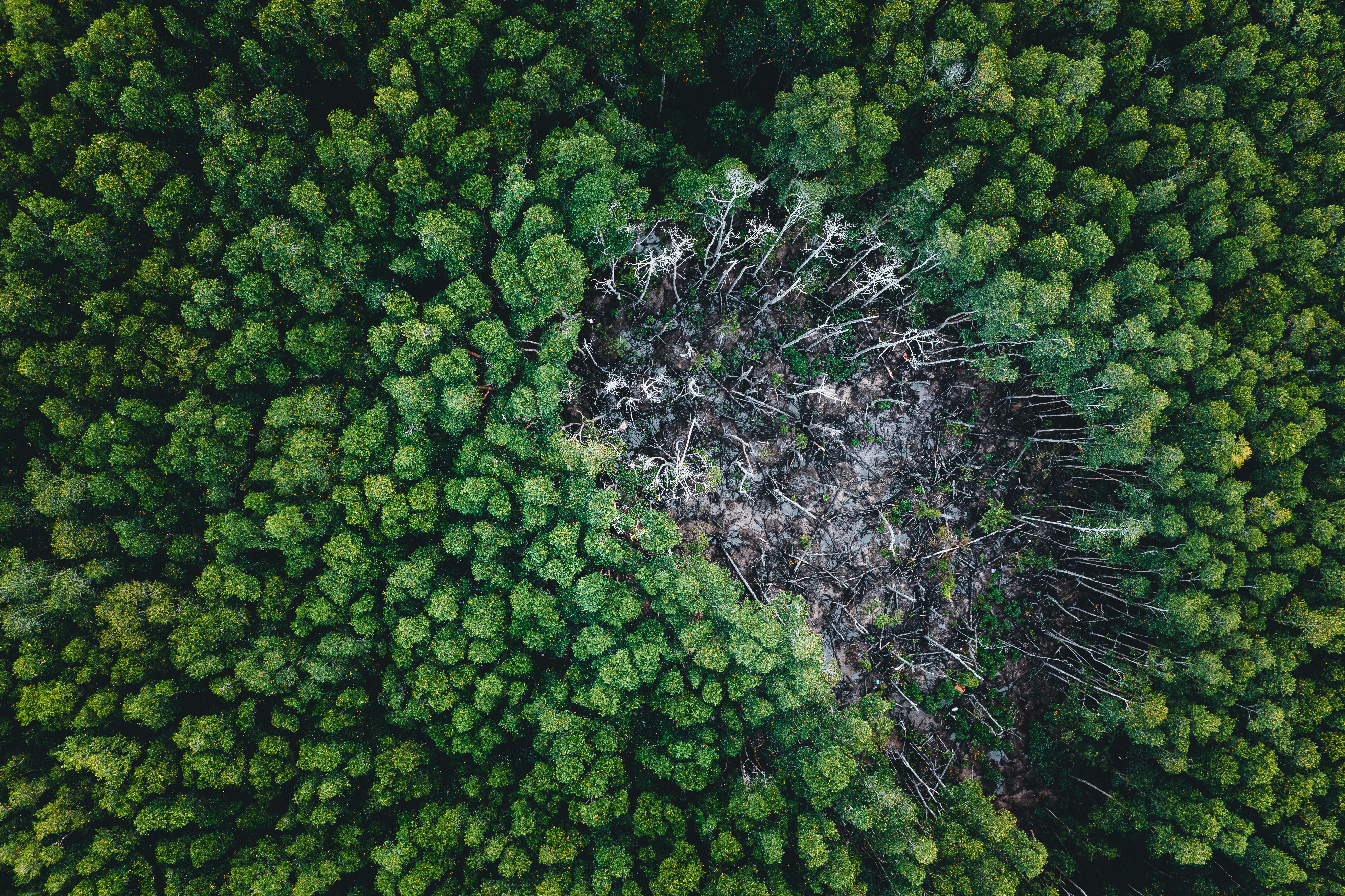
The Volta Grande do Xingu is the opposite case: a fight that became a global story partly because famous people refused to let it go. Belo Sun, a Canadian miner, wants to build a roughly US$300 million gold operation there, on a stretch of river already reeling from Belo Monte. The licensing battle has dragged on for nearly a decade, with the installation license suspended, reinstated, challenged, and suspended again. On September 1, 2026, Brazil’s federal prosecutors asked the Supreme Court to freeze the license, arguing that consultation with the Juruna (Yudjá) and Arara peoples was incomplete. The request now sits with Chief Justice Edson Fachin.
DiCaprio’s video leaned on the people at the center of that campaign. “Listen to the Indigenous peoples who are saying no to this project,” Juma Xipaia said at a Climate Week event, as his post amplified footage shown there. He is a producer on Yanuni, the Oscar-shortlisted documentary about her, which he released for free on YouTube on Amazon Day, September 5. For a step-by-step account of how the license kept changing hands, Amazon Watch’s briefing on the case is the clearest I found.
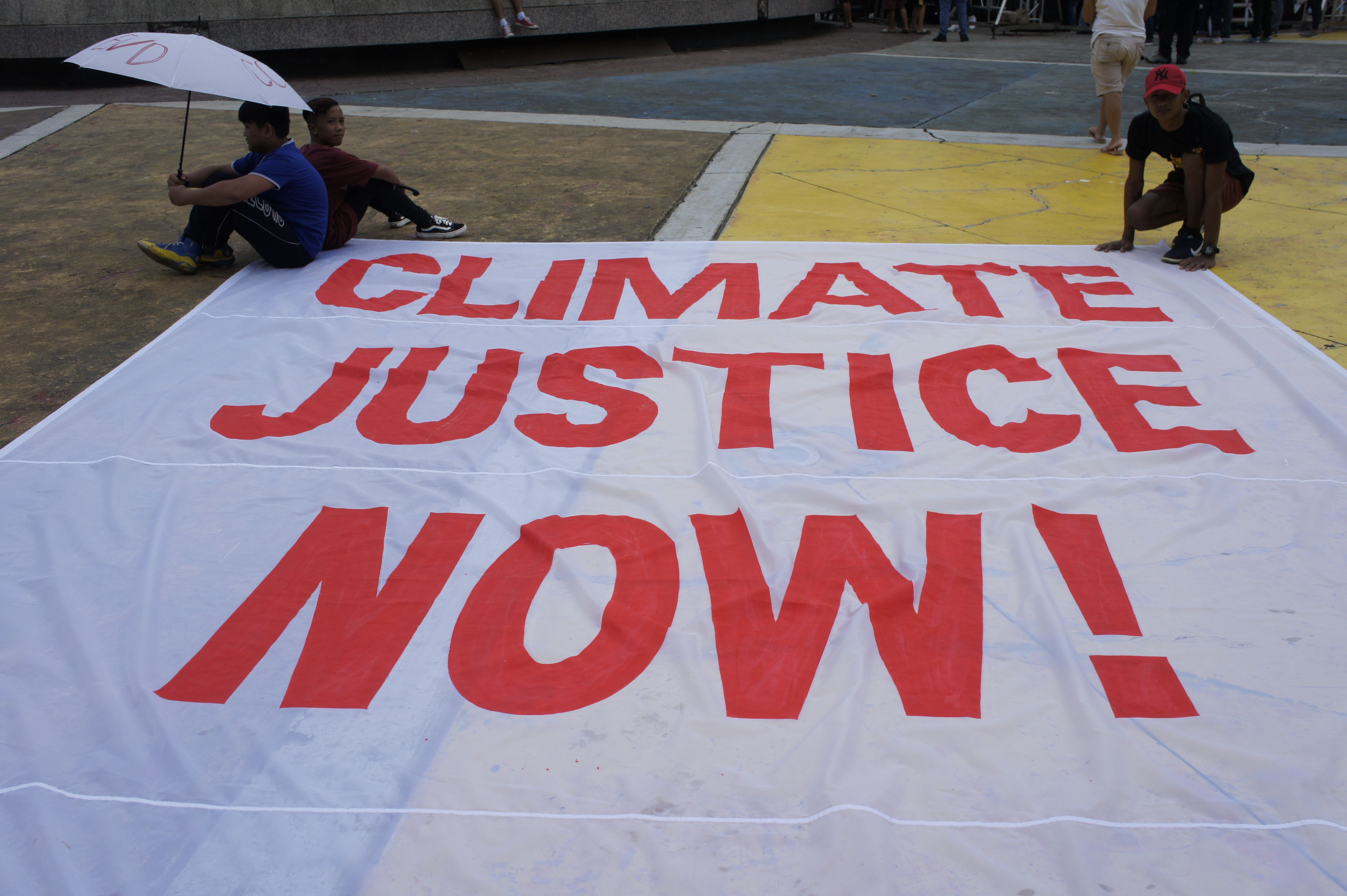
Did the fame change the legal outcome? No. The prosecutors’ filing stands on its own legal merits, and the case will be decided by judges who do not take instructions from Instagram. But I would argue the attention is why a US$300 million mine in a remote bend of the Xingu has an international press file at all.
The fights Hollywood does not see
Now the uncomfortable part. In the same season DiCaprio was posting about Belo Sun, the most consequential environmental lawsuit in Brazil’s history moved forward with almost no celebrity oxygen on it whatsoever.
In November 2015 the Fundão dam at Mariana collapsed, releasing more than 40 million cubic metres of iron ore tailings, killing 19 people, and contaminating the Doce River for 400 miles to the Atlantic. In November 2025, London’s High Court found mining giant BHP strictly liable under Brazilian law, in a case brought by more than 600,000 claimants and valued at up to £36 billion. The damages phase is not expected to finish before 2030. international legal reporting has tracked the case through every procedural turn, including the dispute between the law firm Pogust Goodhead and a Brazilian litigation funder – a reminder that even the lawyers’ own funding arrangements can become a story of their own.
The asymmetry has a logic. A mine threatening a named chief in a biodiversity hotspot is a legible story: one villain, one river, one face. A dam that failed in 2015 and a liability trial that will run past 2030 is not. Cameras prefer the living forest to the slow courtroom, and so does the algorithm.
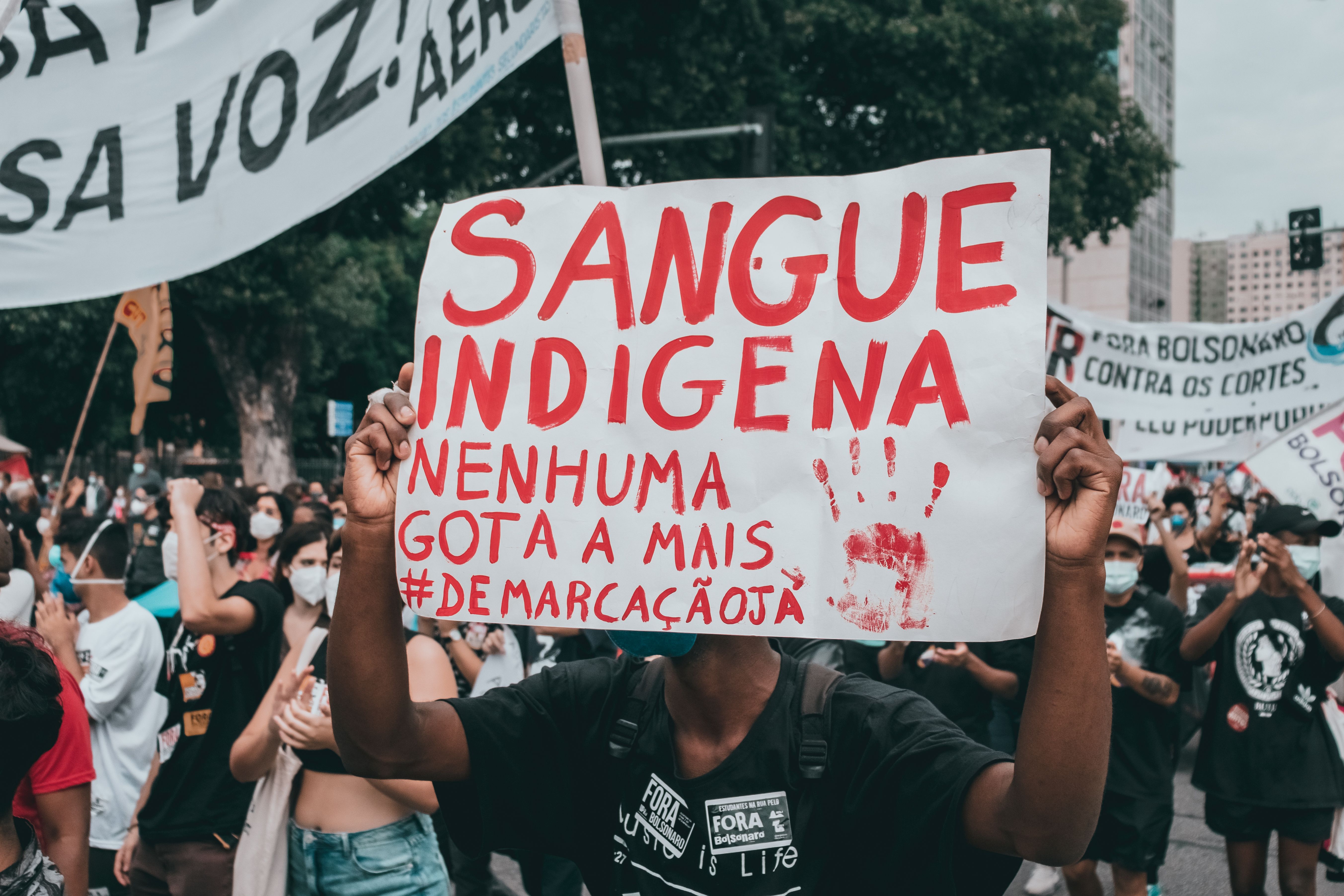
Indigenous land demarcation suffers a similar fate. It is the single policy most associated with protecting the Amazon, and it is a grind of signatures, studies, and court challenges that produces no compelling visual until a protest fills a plaza. When that protest happens – as it did repeatedly in 2026 over Belo Sun – it becomes a photograph. The years of paperwork before it do not.
Greenwashing, private jets, and the accountability problem
The most common objection to celebrity environmentalism is hypocrisy, and it is not baseless. In August 2026, when DiCaprio and Jeff Bezos launched the $200 million Phoenix Species Project through Re:wild and the Bezos Earth Fund, the response was swift and divided. Skeptics called it greenwashing, noting that Amazon, Bezos’s company, keeps expanding data centers whose water and power demands are themselves an environmental story. The Independent collected a representative sample of the accusation. When your money comes from a business with a large footprint, giving some of it away looks less like heroism and more like reputation management. DiCaprio has faced similar charges for years over private-jet travel, including a 2016 Cannes-to-New-York-and-back trip to collect an environmental award.
The sharper critique is about what celebrity advocacy is good at. A long line of research on climate celebrities warns that star-led messaging tends to promote individual, consumer-style solutions – offsets, green products, “conscious” choices – rather than the collective political demands that actually move emissions. The electoral case is weak, too: Pew has found that large majorities of Americans say celebrity endorsements make no difference in their vote, a finding echoed by a 2020 Stanford field experiment. In April 2026, Jennifer Lawrence said the quiet part out loud: “Celebrities do not make a difference whatsoever in who people vote for.”
She is right about elections. I think she is wrong to stop there, because voting is a poor yardstick for a tool that works on a 10-to-30-year horizon. The measurable returns show up in funding, in litigation support, and in the simple maintenance of an international audience for causes that would otherwise go quiet. What would change my mind is evidence that the fame substitutes for the unglamorous work – that a post replaces a lawsuit, or a gala replaces a canvass. So far the record is mixed, not damning.
Why the spotlight still matters
Step back, and the 2026 picture is genuinely strange. Since Lula took office in 2023, Amazon deforestation has fallen by roughly half. That is a government achievement, won by inspectors, satellites, and enforcement budgets – not by red carpets. Celebrity activism did not cause it, and it will not sustain it. But it has made the progress politically harder to reverse, by keeping a global audience that notices when it slips.
What DiCaprio’s September offered was a clean look at both ends of the model: a legal battle kept alive by international attention, a biome quietly losing ground without it, and a benefactor whose fortune complicates the story he is telling. The green conscience of Hollywood is a real force. It also has a narrow beam. It lights up exactly what it points at, and the useful work is remembering everything it leaves in the dark.
Frequently asked questions
Did Leonardo DiCaprio meet with Brazil’s president in 2026?
Yes. In early September 2026, DiCaprio met President Lula da Silva at the presidential palace after a six-day conservation tour of the Amazon, Pantanal, and Cerrado with his group Re:wild. Lula said the conversation covered climate impacts, illegal mining, and Indigenous land demarcation.
What is the Belo Sun Volta Grande gold project?
It is a planned open-pit gold mine on the Xingu River in Pará, Brazil, developed by Canada’s Belo Sun Mining at an estimated cost of around US$300 million. If built, it would be Brazil’s largest open-pit gold mine. Its installation license has been suspended and reinstated several times, and in September 2026 federal prosecutors asked the Supreme Court to freeze it again over incomplete Indigenous consultation.
How much did Amazon deforestation fall in 2025?
Brazil’s INPE reported a 12.07% drop for the Legal Amazon, to 5,731 km², the lowest annual rate in 11 years. Eight of the nine states reduced deforestation; Mato Grosso was the sole state to increase.
Does celebrity activism actually change anything?
On the evidence, it changes attention more reliably than it changes policy. A 2025 Yale review of 50 studies found strong effects on public opinion and media coverage, moderate effects on voting and policymaker attention, and weaker evidence of direct policy or environmental outcomes. The practical value is often in funding, legal support, and long-term visibility.
What is the Mariana dam lawsuit about?
The Fundão dam at Mariana, Brazil, collapsed in November 2015, killing 19 people and contaminating the Doce River. In November 2025, London’s High Court found BHP strictly liable under Brazilian law in a claim brought by more than 600,000 people. The damages phase is scheduled to run into the 2030s.
How this article was put together
I set out to test a simple claim: that celebrity activism keeps Brazil’s environmental fights in the international spotlight. The deforestation figures come from INPE’s consolidated PRODES release published 18 August 2026, which I read directly rather than through secondary summaries. Details of DiCaprio’s September 2026 Brazil trip come from Re:wild’s own press account; the Belo Sun legal timeline from Amazon Watch and the company’s filings; and the evidence on activism’s effects from the Yale review of 50 studies. Where the record is genuinely thin – for instance, whether any specific celebrity post shifted any specific legal outcome – I have said so. Deforestation rates are revised annually, so recheck after the next PRODES release.