

Table of Contents
- What Cultural Identity Means in Public Life
- Public Speech and Shared Narratives
- Traditions and Festivals
- Comparing the Channels of Influence
- Music, Celebrations and Shared Experiences
- Community Participation and Local Action
- Limits and Balanced Perspectives
- Frequently Asked Questions
- Conclusion
What Cultural Identity Means in Public Life
Cultural identity is the sense of belonging a person or group feels toward shared language, customs, values, history, and practices. It is not fixed. It is renewed through everyday interactions, public rituals, and the stories a society repeats about itself. Public figures, including elected officials, artists, athletes, journalists, religious leaders, and community organizers, can take part in that renewal because their words and actions reach audiences far beyond their immediate circles.
Researchers and cultural institutions generally describe cultural identity as something that communities maintain collectively. UNESCO’s UNESCO’s description of intangible cultural heritage explains that living traditions, festive events, and social practices contribute to a sense of identity and continuity. Public figures do not create these traditions, but they often help bring them to wider attention.
Public Speech and Shared Narratives
Speeches are one of the most visible ways that public figures shape collective identity. A speech can name a community’s values, recall a shared past, or describe a future the community hopes to reach. When the same language is repeated across media, schools, and local gatherings, it can become part of how people describe themselves.
Regional news coverage of public campaigns, such as state elections, often shows how speeches delivered at rallies reach local audiences and shape community discussion. Coverage of this kind helps people compare messages, notice recurring themes, and form their own views.
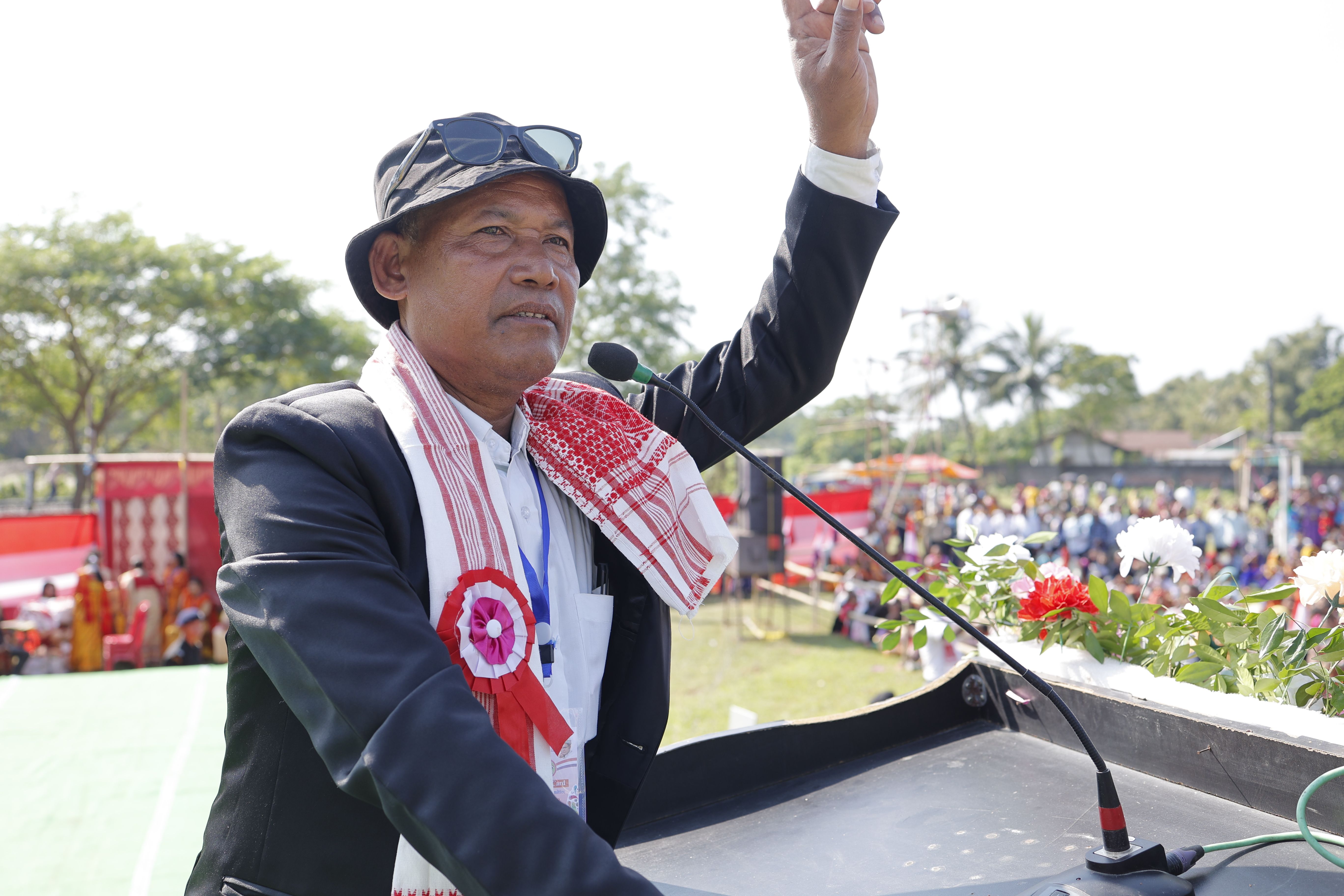
Several features help explain why public speech carries weight:
- Repetition: Phrases that recur across speeches, interviews, and social posts become familiar.
- Setting: Speeches given at local events often feel more personal than national broadcasts.
- Audience response: Crowds that applaud, respond, or sing along reinforce the message among those present.
- Follow-up discussion: Conversations in workplaces, schools, and families extend a speech’s reach well after it ends.
Traditions and Festivals
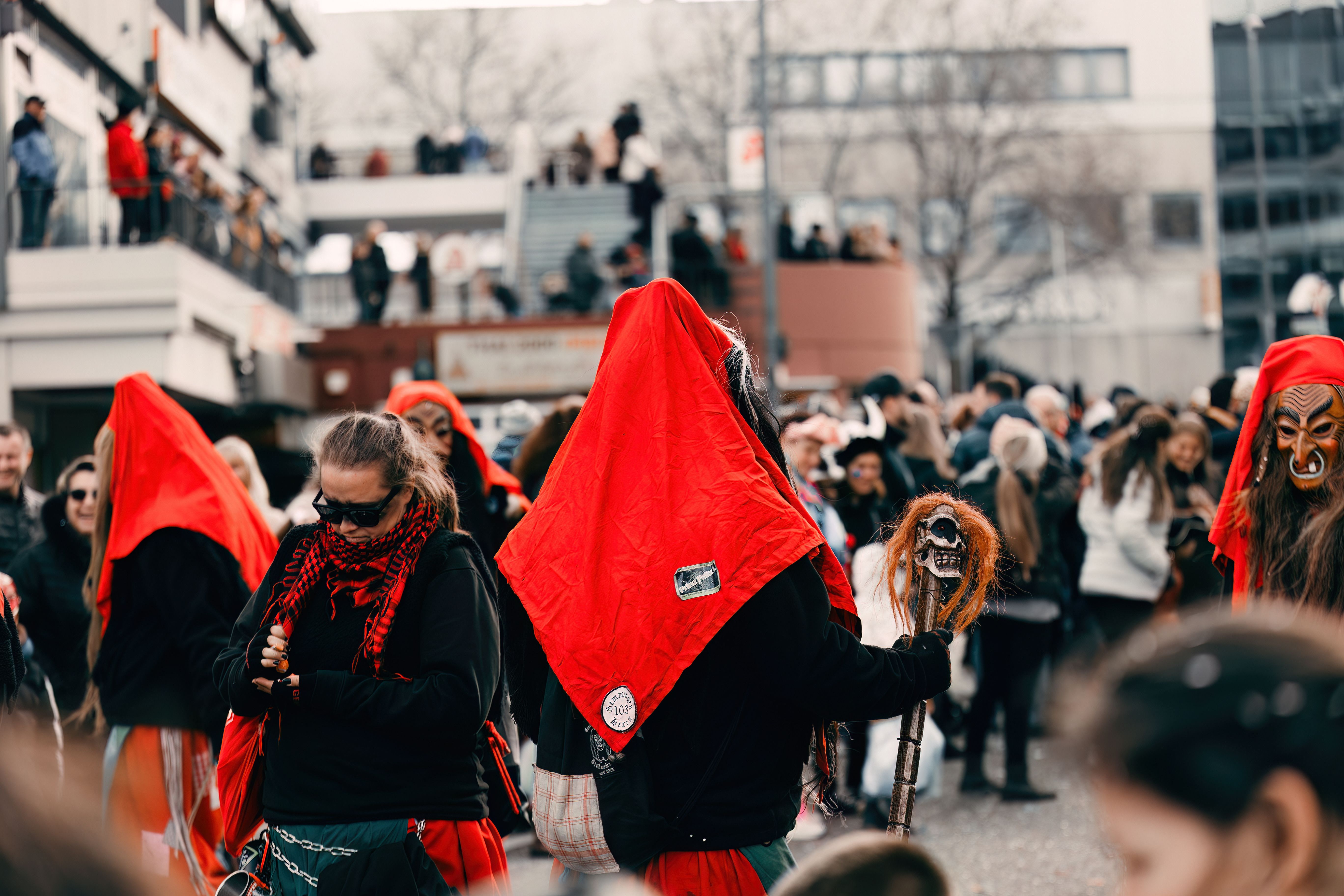
Festivals and parades are among the clearest expressions of cultural identity. Costumes, music, food, and processions carry knowledge that is passed from one generation to the next. Public figures often appear at these events as hosts, guests of honor, or participants, which signals that a tradition is valued by the wider community.
UNESCO notes that social practices, rituals, and festive events “reaffirm the identity of those who practise them as a group or a society” and mark the passing of seasons and the stages of life. Their visibility can encourage younger people to learn the practices and to take part in them.
Comparing the Channels of Influence
Public figures influence community life through different channels, and each channel tends to work in a different way. The table below summarizes common channels and the typical effects associated with them. The descriptions are general and will vary by region, culture, and context.
Music, Celebrations and Shared Experiences
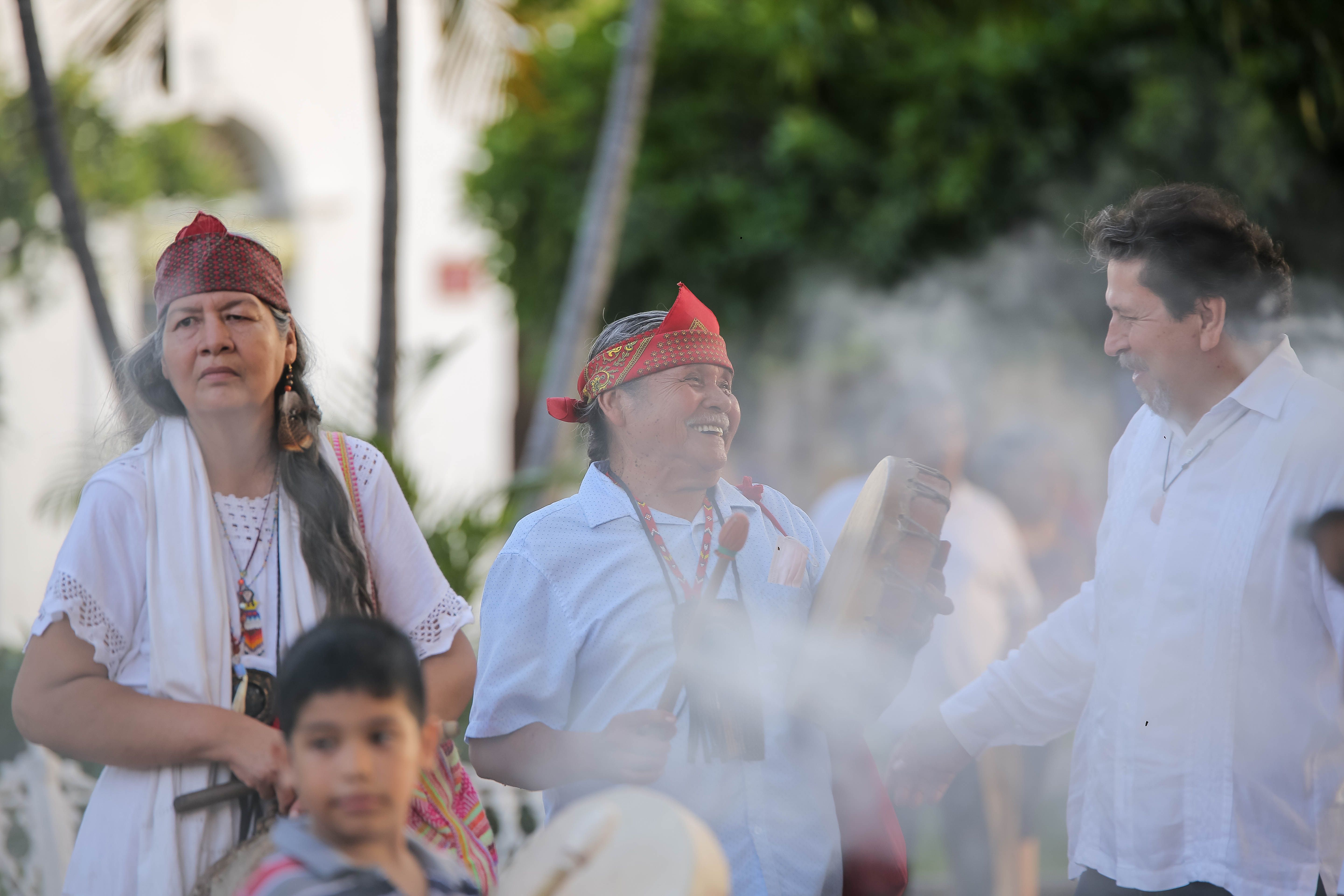
Music is a powerful carrier of identity because it is participatory. Drumming, singing, and dancing invite people to join in, which turns an audience into a community. Public figures who appear at cultural celebrations, or who promote local musicians and dance groups, can help keep these forms visible and relevant.
Shared experiences such as concerts, street festivals, and commemorations create memories that communities revisit for years. The emotional weight of these events often comes from the people who gather rather than from any single individual on stage.
Community Participation and Local Action
Beyond symbolic events, public figures can influence community life by encouraging practical participation. Calls to join volunteer days, support local organizations, or attend public meetings can increase involvement in neighborhood life. The effect depends on whether the message is paired with accessible opportunities for people to act.
Survey research helps show how participation looks in practice. A 2026 study by the Pew Research Center’s 2026 study on civic engagement grouped U.S. adults by how actively they take part in politics, civic life, news, and religion, finding that engagement patterns differ considerably across the population. Results like these suggest that influence on community life is rarely uniform and often depends on existing networks.
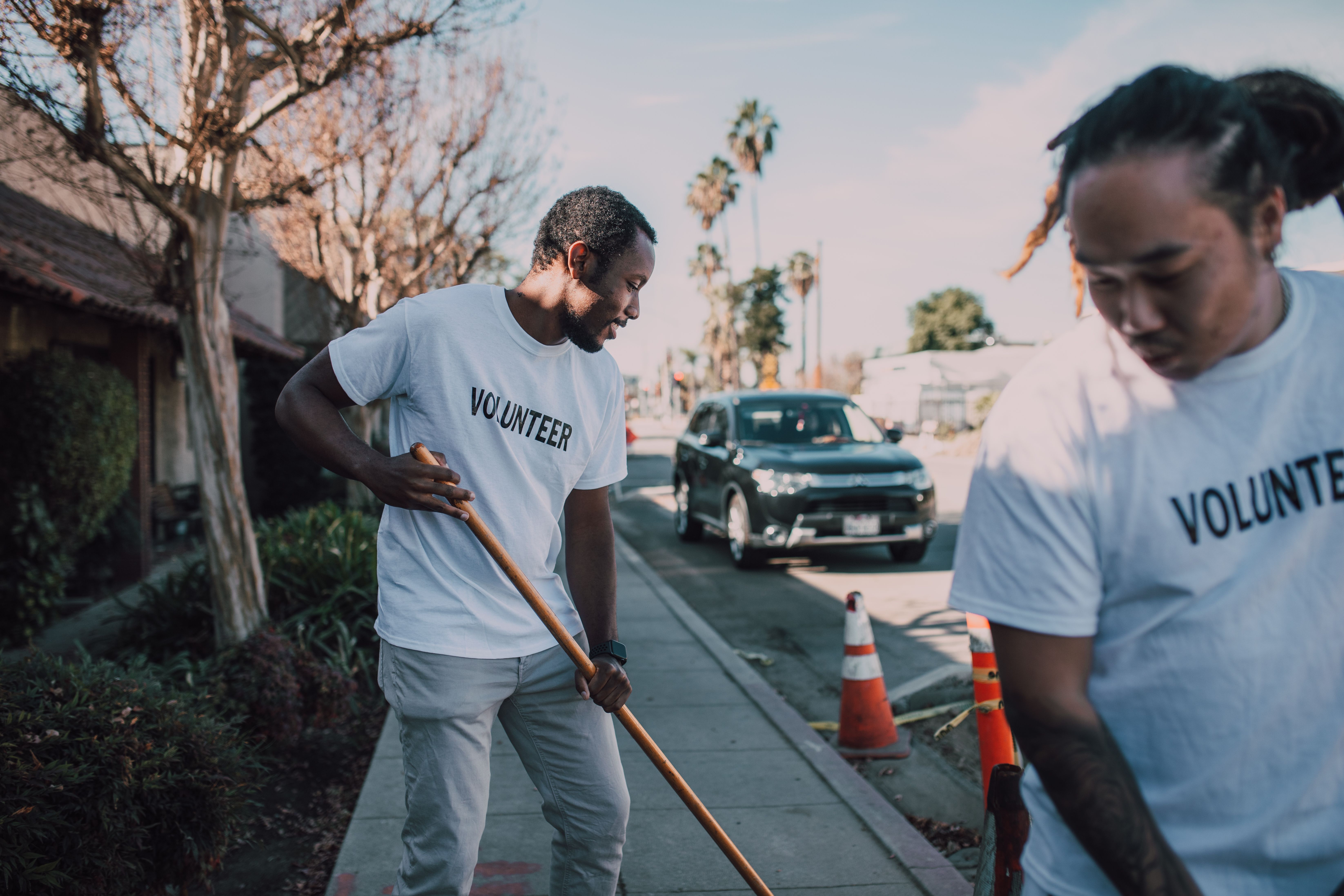
Common ways that community participation is encouraged include:
- Volunteering for neighborhood cleanups, food drives, and youth programs
- Joining local associations, heritage groups, or cultural centers
- Attending town halls and community forums
- Supporting local artisans, musicians, and cultural organizations
Limits and Balanced Perspectives
Public influence on cultural identity is not one-directional. Audiences interpret messages through their own experiences, and communities often respond with a mix of agreement, debate, and independent thought. A single voice rarely defines a culture on its own.
Balanced media consumption can help. Reading coverage from several sources, comparing primary statements with reporting, and talking with people from different backgrounds all support a more complete understanding of how public figures and communities interact. Cultural heritage itself also remains open to change, since traditions are continually recreated in response to new circumstances.
Frequently Asked Questions
How do public figures influence cultural identity?
They influence cultural identity by repeating shared values in speeches, appearing at traditional events, promoting local arts, and encouraging participation in community life. Their reach can amplify messages that already exist within a community.
What is the difference between cultural identity and cultural heritage?
Cultural identity is the sense of belonging that people feel toward a group. Cultural heritage refers to the practices, knowledge, and expressions that a community inherits and passes on. Heritage often supports identity, and the two are closely connected.
Can community members influence cultural identity too?
Yes. Community members shape traditions through daily practices, local organizations, and everyday conversation. Public figures are one part of a larger process in which many people contribute.
Conclusion
Public figures can play a meaningful role in shaping cultural identity and community life by giving voice to shared values, drawing attention to traditions, and encouraging local participation. Their influence works most clearly when it connects with the experiences and networks that already sustain a community. Readers who want to understand this process can look at how speeches, festivals, music, and volunteering work together, and can consult primary sources and balanced reporting to form their own conclusions.